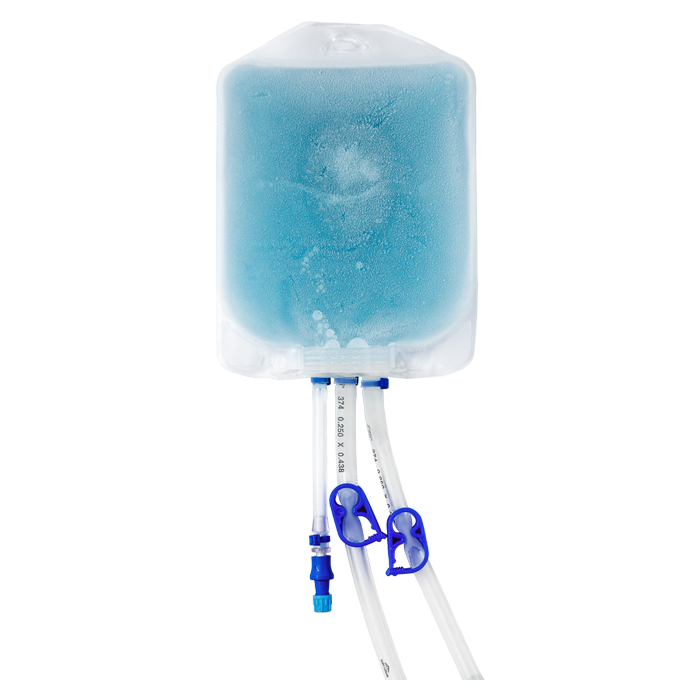

Customization Services
Single-use, complete collaboration
Collaborate with industry experts to custom-build and integrate single-use solutions into your biopharma processes to achieve more efficient workflows.
Optimize your processes with single-use custom solutions
Operational requirements, whether in bioprocessing or advanced therapy manufacturing, can vary greatly. Implementing customized single-use solutions can ease some of the process pain points to positively impact scalability, productivity, and cost. And they don’t have to be complex.
Simple modifications to standard products can provide operational efficiencies, while larger designs can enable the movement to next-level production. In the article Streamline Therapeutic Development by Overcoming Single-use Customization Misconceptions our team debunks some of the common misconceptions about custom single-use products. Read more to learn how to take advantage of the overall benefits they provide.
Our single-use customization team is committed to designing and developing reliable, tailored solutions for your processes. We work with you every step of the way to deliver optimized product design and functionality, offering:
- Responsiveness to shorten project timelines
- Quick turnaround on product drawings and prototypes
- Complete documentation packages
- Access to our full single-use solutions portfolio (cryopreservation bags, manifolds, transfer sets, fluid transfer bags, and other critical components)
If you’re ready to talk to an expert, please click the button below or scroll down to fill out our form. For a deeper dive into how polymer-based materials are integrated into single-use solutions, check out our guidance article below.
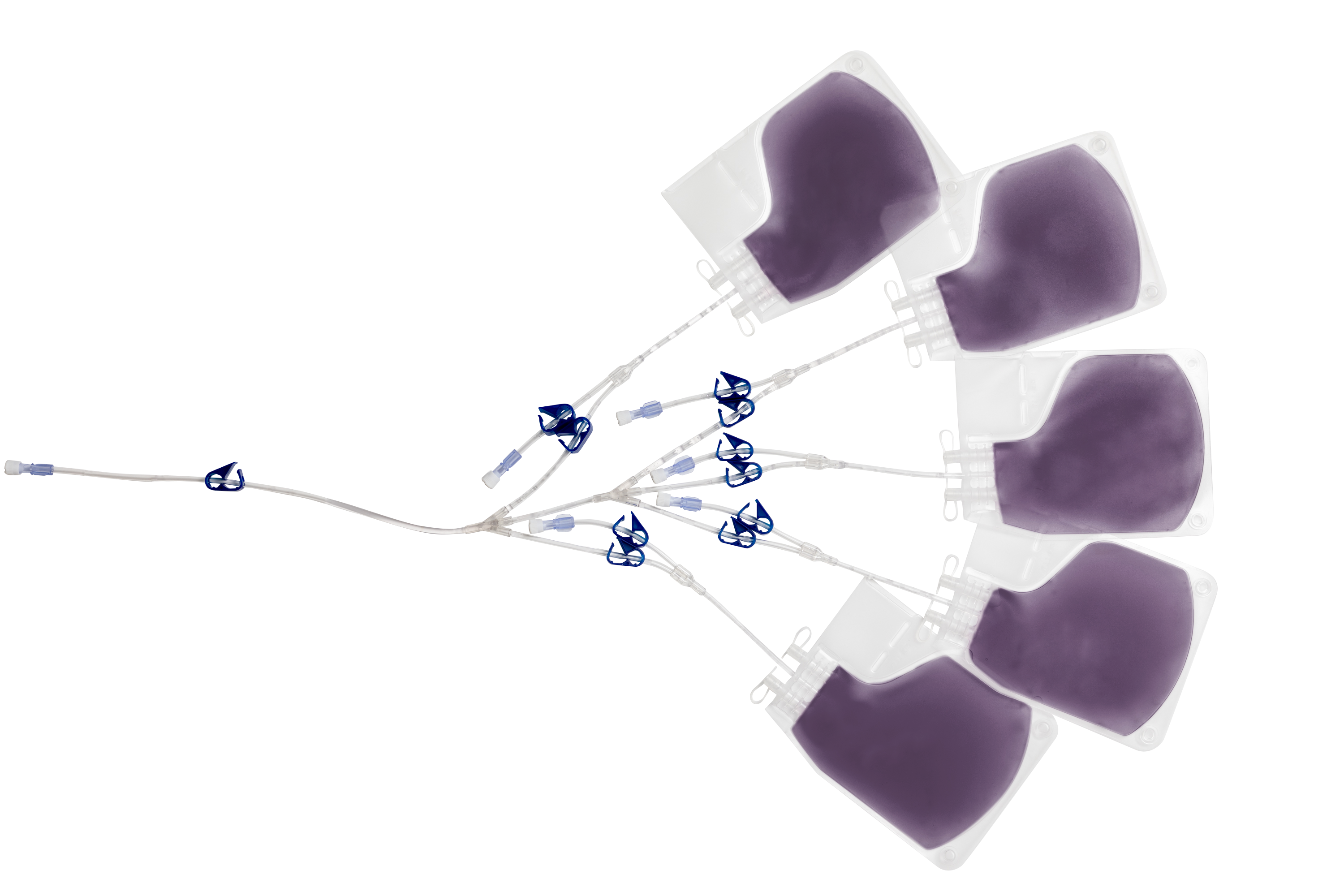

Common Polymer-Based Materials in Single Use Solutions
Single use solutions continue to play an important role in the manufacture of advanced therapies, especially as the industry transitions away from stainless steel. But how do the materials used to construct single use bags, tubing, transfer sets, and manifolds benefit biopharmaceutical manufacturing? As explored in the article Selecting The Right Single-Use Materials In Biopharmaceutical Manufacturing, there are many factors to consider – and material selection can make all the difference. Though many polymer-based materials are available for constructing single use solutions, polyolefins such as polyethylene (PE) and polypropylene (PP) are commonly used to construct single use solutions. Here’s a quick rundown on the benefits of each material.
Polyolefins
Polyolefins are a versatile polymer-based material commonly used in biopharmaceutical manufacturing for components such as fittings and tubing. Resistant to harsh chemicals and environmental conditions such as low temperatures, polyolefin-based materials ensure durability during processing. Their mechanical properties also make them ideal to use in the construction of biocompatible, sterile solutions. Combining polyolefins with the chemical properties of other polymer-based materials enables engineers to create custom-tailored single-use solutions to suit specific applications such as cell culturing, biological fluid transfer, and formulation.
Polyethylene (PE)
Polyethylene is a material that plays a crucial role in biopharmaceutical manufacturing. It is biocompatible (or bio-inert) and capable of withstanding harsh conditions, providing critical flexibility and impact resistance. Polyethylene is suitable for use in larger bioprocessing systems as well as for use in smaller-scale processes. And with robust durability, polyethylene protects the integrity of fluids inside against physical damage to help maintain high standards of quality. PE also provides tunable levels of opaqueness.
Polypropylene (PP)
Polypropylene is commonly used as a material of construction in single use fittings and tubing. Polypropylene’s durability, versatility, mechanical properties, and wide temperature range make it a valuable material for single use applications. Similar to polyethylene, polypropylene’s opaqueness can be tuned to provide optimal visual indicator (e.g., particulate inspection) and measurement techniques. As a result, single use products made from polypropylene can enhance the safety and efficacy of the biopharmaceutical manufacturing processes.
Single Use Material Options for Applications in the Biopharmaceutical Industry
When considering polymer-based single use solutions for biopharmaceutical manufacturing, it’s important to think about the unique needs of each step of the process. Below is a quick guide to material considerations for 7 common steps of the advanced therapy manufacturing process:
1. Cell Culture
Cell culturing is a crucial process in biopharmaceutical manufacturing, wherein living cells are cultivated for the creation of advanced therapies. To achieve reliable and consistent outputs, manufacturers must use biocompatible materials in the construction of single use solutions to minimize cell interaction with the polymer-based material and reduce risk of leachable chemicals found in the materials (e.g., di(2-ethylhexyl) [DEHP]) that could interfere with the process. Cells also need to “breathe” and metabolize, highlighting the necessity for gas-permeable films that accommodate cell expansion and facilitate the exchange of CO2 and O2 while ensuring cellular components maintain viability. These factors make PE and PP the ideal materials for facilitating cell culturing.
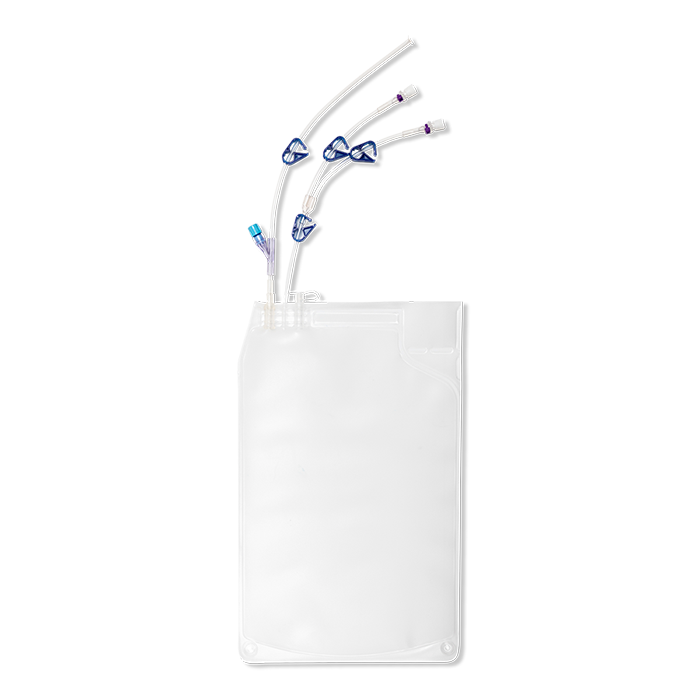
2. Transfer
Designed to move fluids between different bags or components, transfer sets are a critical single use technology in biopharmaceutical manufacturing. To ensure seamless transfer and reliable performance, transfer sets must integrate well with bags and other components that are made of different materials. To successfully connect, the tubing materials should be constructed of polyvinyl chloride (PVC) or thermoplastic elastomer (TPE). Designing a closed and aseptic transfer set requires materials that can withstand sterilization methods, such as gamma irradiation, that penetrate materials. Reducing the risk of cell shear and hold-up volume are also important design consideration. For transfer bags, ideal materials of construction include PE or polyvinyl chloride (PVC) for durability, flexibility, and gas transmission.
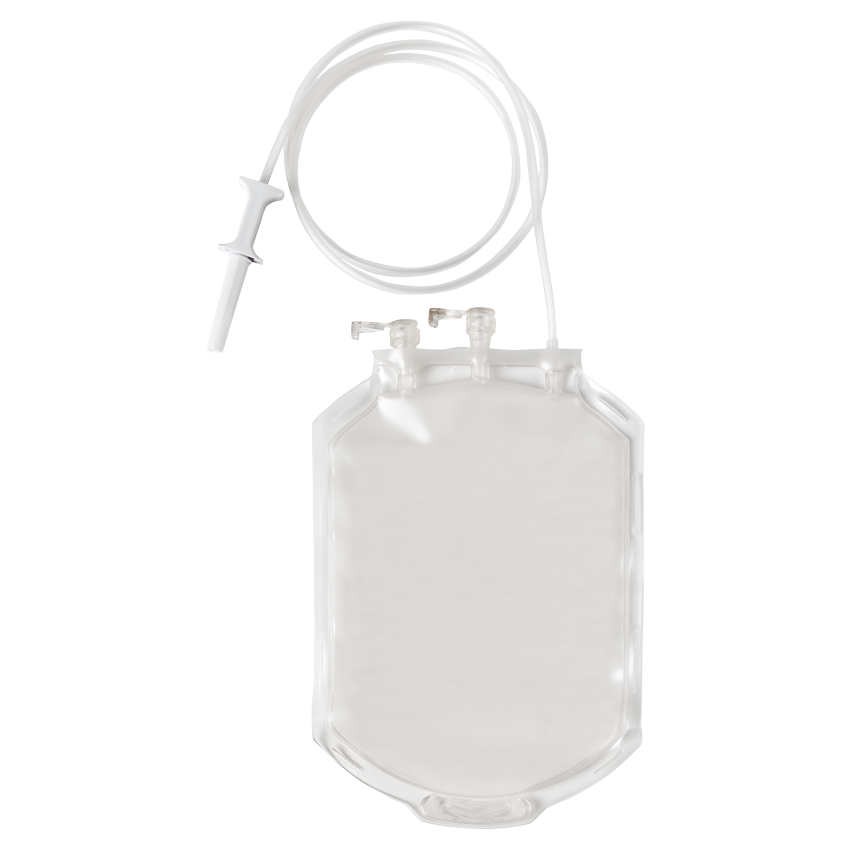
3. Formulation
Formulation – when excipients are added to cell-based materials to achieve target product concentrations for eventual clinical administration – is another critical step in which various components are combined to create the final product. For a successful formulation process, all materials must be dimethylsulfoxide (DMSO) compatible and exhibit low hold-up volume to minimize product loss during transfer from container to container. Materials also need to be pliable to accommodate various mixing methods. Above all else, cleanliness and particulate control – which can impact safety and efficacy – are paramount for minimizing contamination risks and maintaining the integrity of the formulation process. A polyolefin blend using PE is an ideal material for formulation.
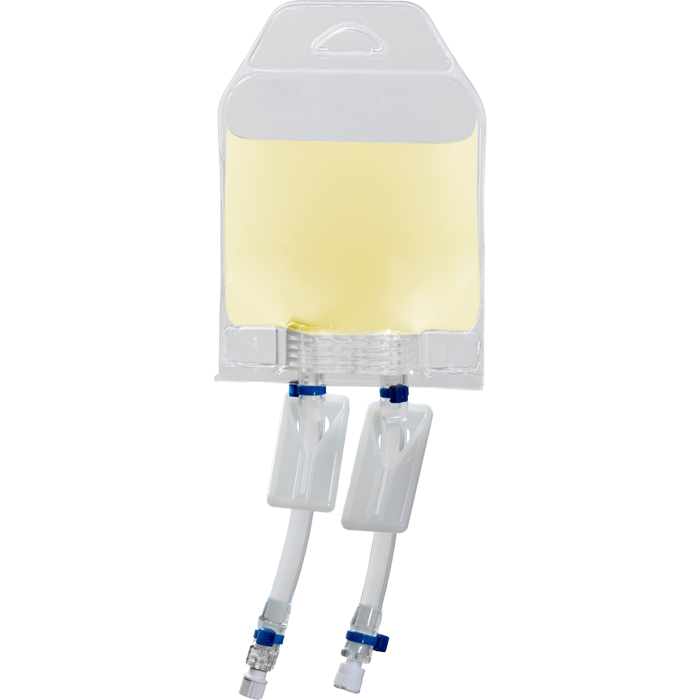
4. Storage
Storage bags are typically made of durable yet flexible polyolefin such as PE or PVC and may require a gas barrier to preserve fluid contents during storage and transportation. Multi-layer films combining materials like ethylene vinyl alcohol (EVOA) and PE are often used to ensure proper preservation and provide an internal contact layer. Storage bags also enable the manipulation of internal contents through cell modification or transfection. Meanwhile, transfer bags only hold materials temporarily, so they’re not typically used for long-term preservation. The materials and number of film layers used will depend on specific needs. For instance, storing cell-based fluids usually requires a barrier for the materials inside while storing media buffer and nonmetabolizing materials might require additional protection.

5. Filtration
Biocompatible materials are often required for filtration to enable selective control over materials that pass through the filter. This prevents cellular interactions and holdup volume, which could lead to efficacy issues or product failure if those materials clog the filter. The surface area of the filter material, along with flow rate, is crucial to determining the effectiveness of filtration. Ideally, a single use assembly should use 0.2-micron filters, which allows gas to bring air into the system to block particulates. Polymer-based textile components constructed of polyethersulfone (PES) or nylon can provide optimized filtration and durability.
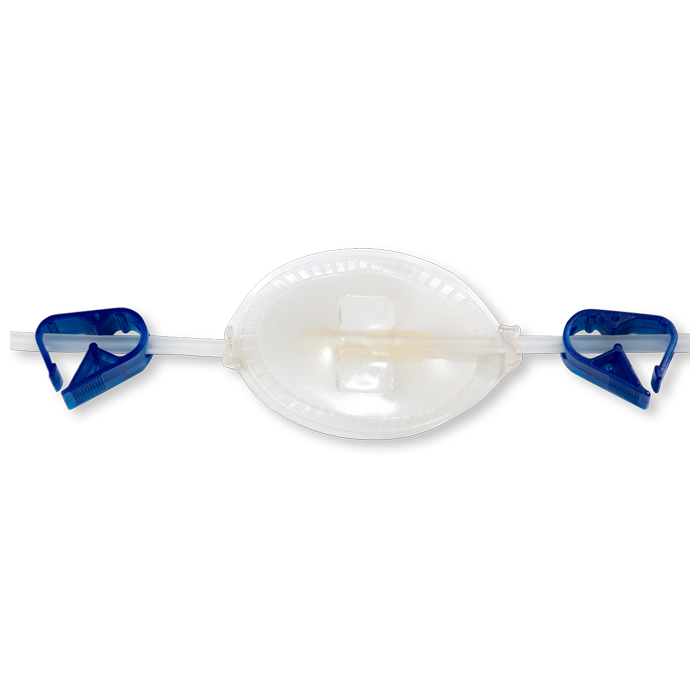
6. Biohazard Disposal
In biopharmaceutical manufacturing, waste management requires leak integrity to prevent unintended rips or breaks. Disposal bags typically have fewer material requirements; however, their requirements will be dictated by the method of disposal. For example, a landfill will likely incinerate the bag, releasing toxic fumes if the materials were constructed of PVC. To avoid these environmental impacts, it’s best to use mono-materials made of non-chlorinated polyolefin to construct bags used for the disposal of biohazardous waste.
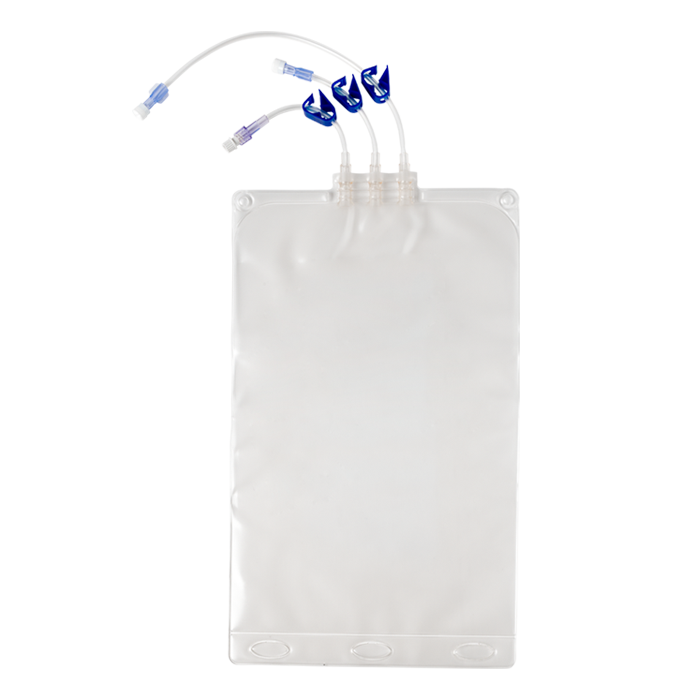
7. Cryopreservation
Cryopreservation is essential for preserving biological materials used for final delivery of advanced cell therapies. However, the extremely low storage temperatures can present material complexities. Throughout the planning and preparations for cryopreservation – freezing and thawing – single use material must remain flexible to prevent damage like delamination, where layers that make up a bag begin to separate. Ethylene-vinyl acetate (EVA) film, TPE, and polyethylene are commonly used for these purposes because they can withstand liquid nitrogen temperatures (approx. -196°C).